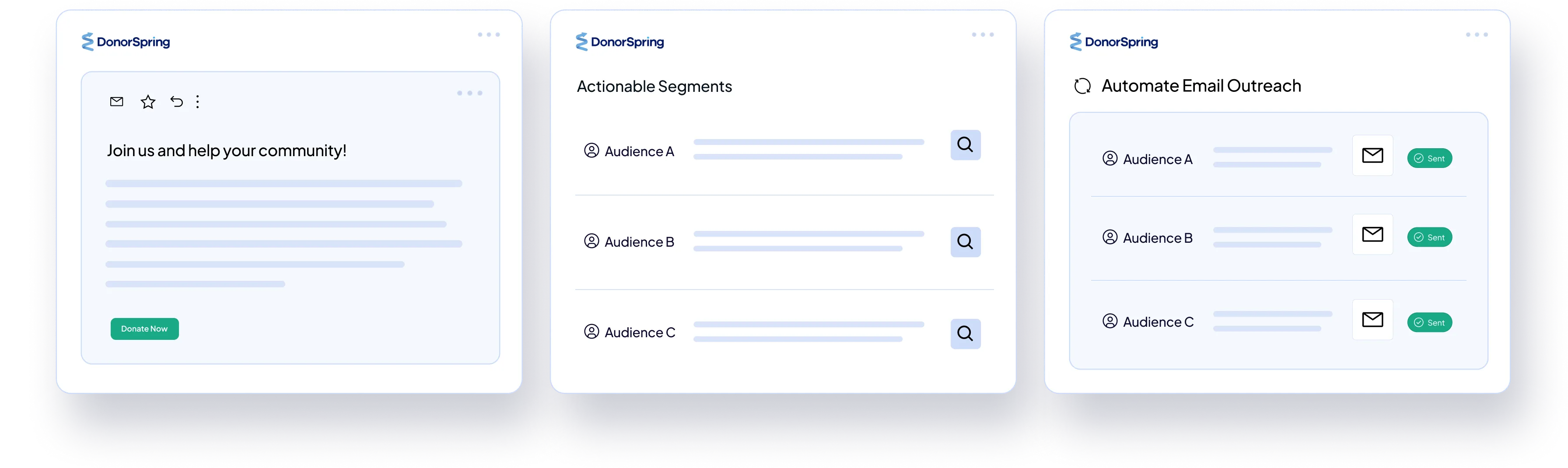
Deliver ready-to-send campaigns built for nonprofits that turn outreach into donations.
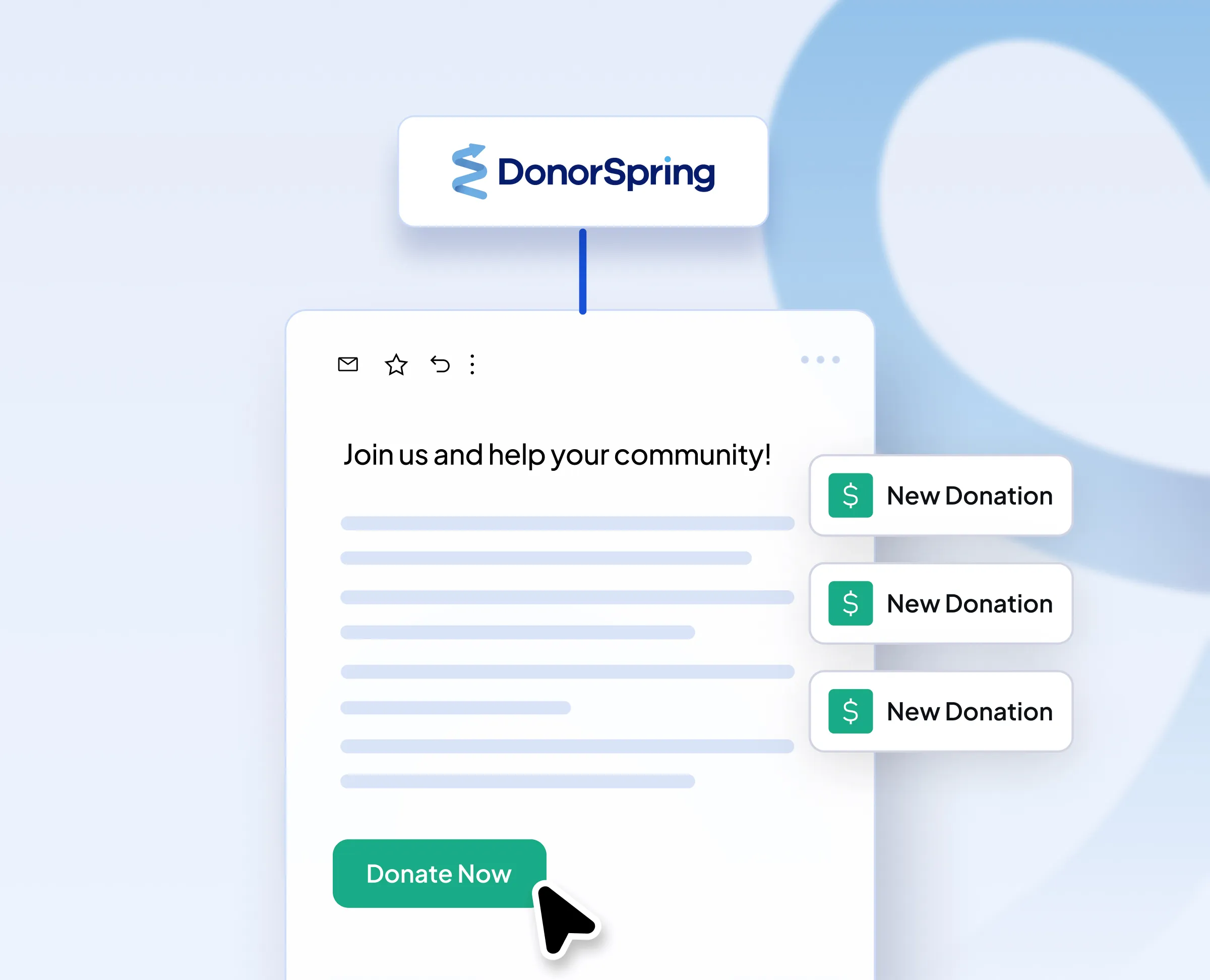
Strengthen relationships by tailoring messages to donor interests and needs.

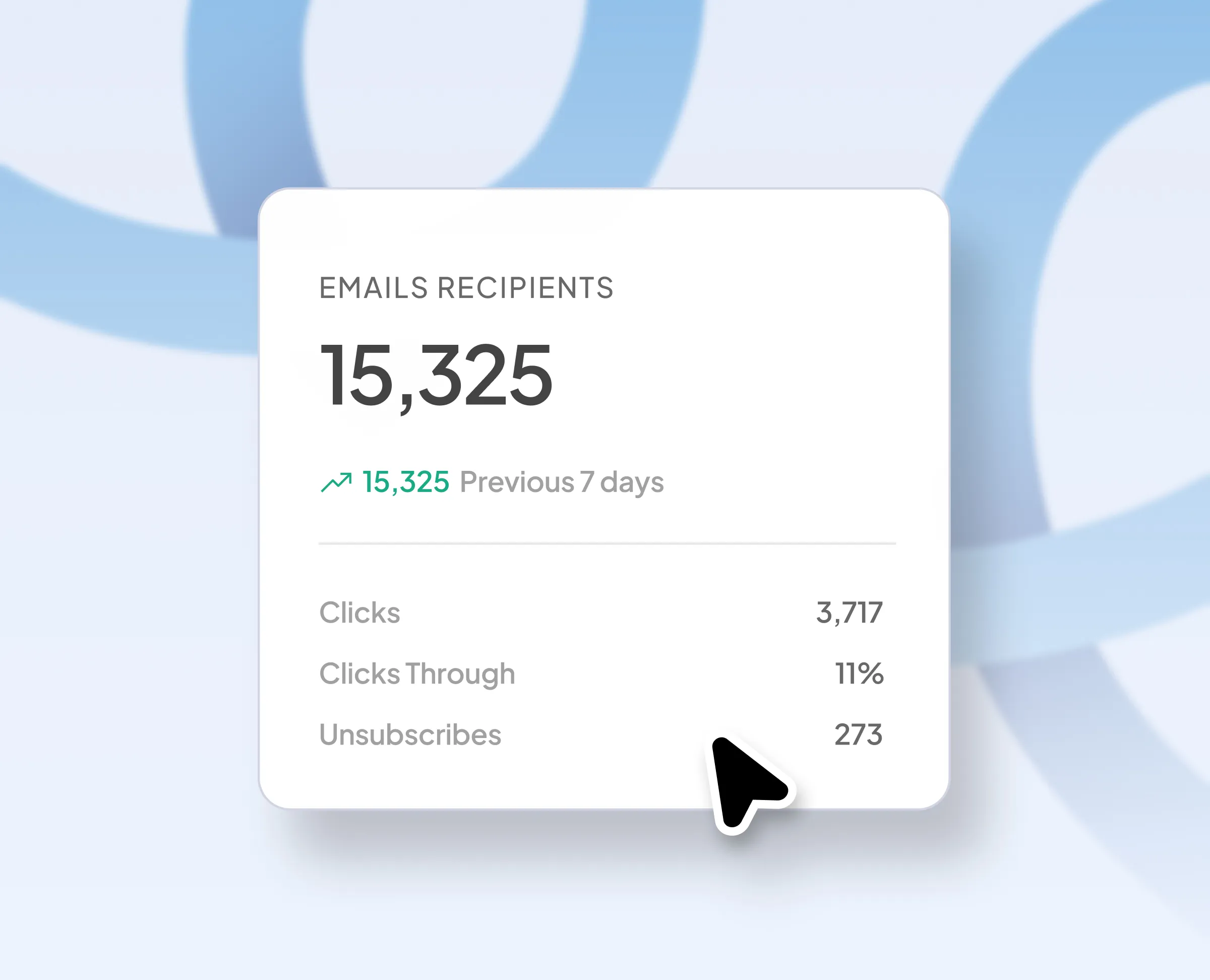
Track performance with clear insights that help you refine and grow your fundraising.
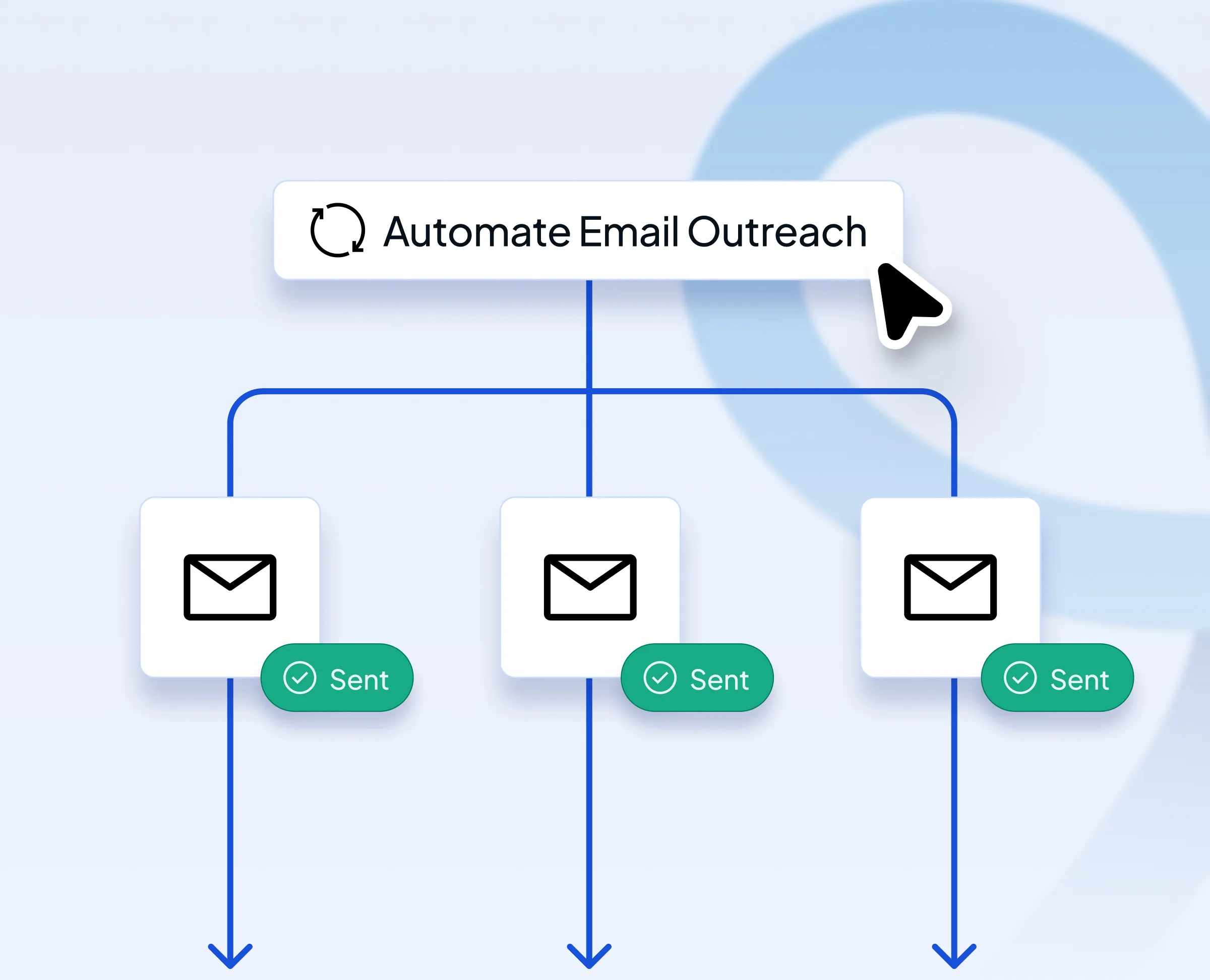
Automate content creation and outreach so your team can focus on the mission.

What is email fundraising, and why is it important for nonprofits?

Email fundraising is the process of using email to solicit donations and engage supporters. It’s cost-effective, scalable, and one of the best ways to build relationships with donors and drive consistent funding for your cause.
How can nonprofits write effective fundraising emails?
Effective fundraising emails include a clear subject line, a compelling story, a strong call-to-action, and a focus on the donor’s impact. Personalizing content and keeping messages concise also improves results.
What are the best practices for nonprofit email marketing?
Best practices include segmenting your email list, personalizing messages, optimizing for mobile, using clear CTAs, testing subject lines, and tracking performance metrics like click rates and donations.
How often should nonprofits send fundraising emails?
The frequency depends on your audience, but typically nonprofits see the best results by sending 1-2 emails per week, with additional emails for campaigns, urgent needs, or updates during peak fundraising seasons.
What makes a good email subject line for fundraising?
A good subject line is short, clear, and creates curiosity or urgency. Examples include “Your support can change lives today” or “Double your impact this Giving Tuesday.”
How can nonprofits personalize their fundraising emails?
Use donor names, reference their past contributions, tailor emails to specific segments, and acknowledge their role in your mission. Personalized emails are proven to improve engagement and donations. DonorSpring makes personalization easy with merge tags.
What tools can nonprofits use to improve email fundraising?
Tools like DonorSpring provide email drafts, audience segmentation, performance tracking, and optimization features to help nonprofits send effective fundraising campaigns.
How do I track the success of my nonprofit’s email campaigns?
Key metrics include click-through rates, conversion rates, unsubscribe rates, and total donations generated from each email. DonorSpring makes tracking and analyzing these metrics simple.
What are the benefits of segmenting a nonprofit’s email list?
Segmenting allows you to send more targeted messages, ensuring relevance to donors, volunteers, or new supporters. This leads to better engagement, trust, and fundraising results.
How can nonprofits write a compelling call-to-action (CTA)?
Use clear, actionable language like “Donate Now” or “Make a Difference Today.” Highlight urgency or impact, and make the CTA stand out visually in your email.
How can automation improve email fundraising for nonprofits?
Automation tools allow nonprofits to schedule emails, send personalized follow-ups, and trigger messages based on donor behavior (e.g., thank-you emails after a donation).
What’s the role of storytelling in email fundraising?
Storytelling connects donors emotionally to your mission. Share real-life impact stories, include photos, and show how their donations make a difference to inspire action.
How do I reduce unsubscribes in my nonprofit email list?
To reduce unsubscribes, ensure emails are valuable, engaging, and not sent too frequently. Allow supporters to adjust preferences and clearly communicate the impact of your organization’s work.
Why is mobile optimization important for nonprofit emails?
Many supporters read emails on their phones. Optimizing for mobile ensures your content is easy to read, call-to-actions are clickable, and you don’t lose donors due to poor formatting.